Understanding Bed Bugs and Their Behavior
Bed bugs are small, elusive insects that can turn a peaceful night’s sleep into a nightmare. They thrive in environments where they can easily access food sources, specifically human blood, making homes, hotels, and even public transportation prime targets for infestations. In Milwaukee, where urban living is common, the risk of encountering bed bugs is notably high. Understanding their behavior, life cycle, and the signs of an infestation is crucial for prevention and effective treatment.
What Are Bed Bugs and How Do They Infest?
Bed bugs, scientifically known as Cimex lectularius, are wingless insects that belong to the family Cimicidae. They are reddish-brown in color, oval-shaped, and can grow up to 5 mm in length. Their size and color make them difficult to spot, especially when they are hiding in crevices. Bed bugs typically infest areas close to their food source, which includes beds, furniture, and even electrical outlets. They are excellent hitchhikers, often entering homes through infested luggage, furniture purchased second-hand, or even on the clothes of unsuspecting travelers.
Common Signs of Bed Bug Infestation
Detecting a bed bug infestation early is critical to successful eradication. Some common signs include:
- Bites: Red, itchy welts often found in a line or cluster on the skin.
- Bloodstains: Small reddish spots on sheets or mattresses from crushed bed bugs.
- Fecal Spots: Dark, inky stains on bedding, furniture, and walls, which are left behind by feeding bed bugs.
- Egg Casings: Tiny, white shell-like exoskeletons where bed bugs laid their eggs.
The Life Cycle of Bed Bugs: What You Need to Know
Understanding the life cycle of bed bugs is essential for effective treatment. Bed bugs undergo a series of molts and can live for several months without feeding. The life cycle consists of three stages::
- Eggs: A female can lay up to 500 eggs in her lifetime, often around hidden areas.
- Nymphs: Newly hatched bed bugs, which begin to feed immediately and molt several times.
- Adults: Fully grown bed bugs that reproduce and can feed multiple times a week.
The Science Behind Bed Bug Heat Treatment
Among the various methods available for bed bug eradication, bed bug heat treatment stands out due to its effectiveness and safety. This method uses high temperatures to eliminate bed bugs and their eggs, making it a popular choice for those seeking an environmentally friendly approach to pest control.
How Heat Treatment Works Against Bed Bugs
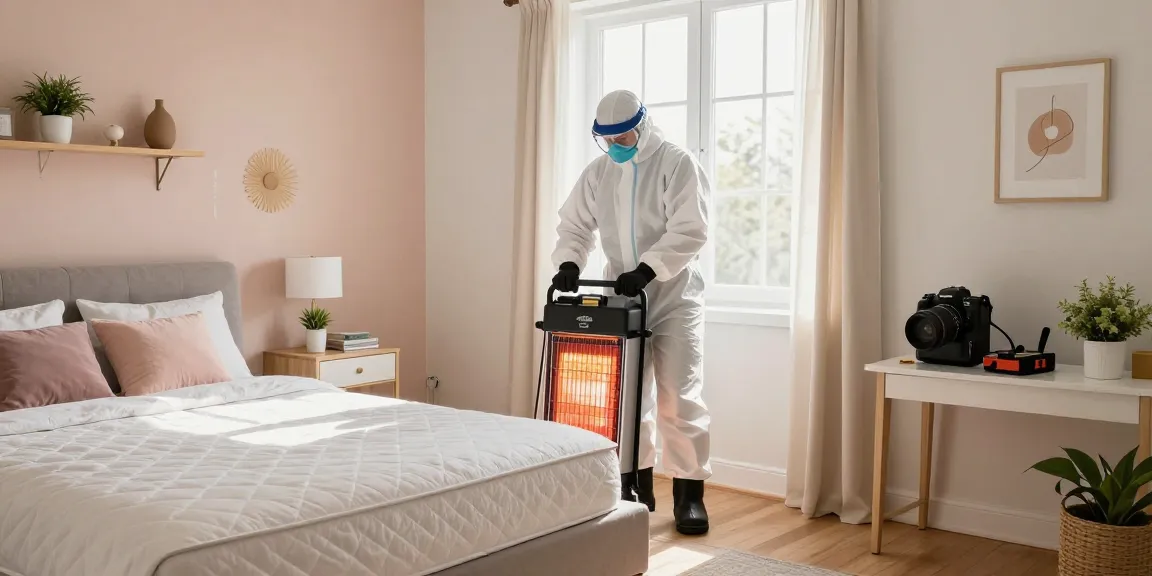
Bed bugs are vulnerable to extreme temperatures. Heat treatment typically involves raising the temperature in the affected space to a minimum of 120°F (49°C) for an extended period. This temperature is lethal to bed bugs in all life stages, including eggs. Professional exterminators use specialized heaters to ensure that every nook and cranny reaches the required temperature, effectively killing bed bugs and preventing their return.
Optimal Temperatures for Effective Treatment
Research indicates that maintaining a temperature of 125°F (52°C) for at least one hour is necessary to ensure effective bed bug extermination. Temperatures above 130°F (54°C) can expedite the process. However, careful monitoring is crucial to avoid damaging household items and to ensure the safety of inhabitants.
Benefits of Using Heat Treatment Over Other Methods
Heat treatment offers numerous advantages over traditional chemical treatments, including:
- Environmental Safety: Heat treatment uses no harmful chemicals, making it safe for homes with children and pets.
- Immediate Results: Unlike chemical methods, which may require multiple treatments, heat treatment can provide immediate results in a single session.
- Efficacy Against All Life Stages: Effective against bed bugs at every stage of life, including eggs, which are often missed by chemical sprays.
Preparing Your Home for Bed Bug Heat Treatment
Proper preparation is essential for a successful heat treatment. Following the steps outlined below will help ensure that the treatment is effective and minimizes disruption to your home.
Steps for Effective Heat Treatment Preparation
Before the extermination team arrives, take the following steps:
- Declutter: Remove items from the areas to be treated to allow for better heat circulation.
- Remove Heat Sensitive Items: Take away plants, pets, and items that could be damaged by high temperatures.
- Inform Your Exterminator: Notify the exterminators of any specific areas where bed bugs have been spotted.
What to Expect During the Treatment Process
The heat treatment process typically lasts several hours, during which time the exterminators will monitor temperatures to ensure they remain at a consistent level throughout the treated areas. You may be required to stay away from your home for several hours after treatment to allow the heat to dissipate safely.
Post-Treatment Maintenance and Monitoring
After the treatment, proper maintenance is essential to prevent future infestations. Key steps include:
- Regular Inspections: Conduct regular checks for signs of bed bugs.
- Encasements: Use mattress and pillow encasements that are bed bug-proof.
- Educate Your Family: Teach family members about how to identify signs of bed bugs and the importance of reporting them immediately.
Case Studies: Real-World Success with Heat Treatment
To further illustrate the effectiveness of heat treatment, here are some successful case studies from Milwaukee.
Successful Residential Treatments in Milwaukee
In one notable case, a Milwaukee homeowner reported a significant bed bug infestation. After implementing heat treatment, the homeowner reported no signs of bed bugs within a week, demonstrating the immediate effectiveness of this method.
Commercial Case Study: Hotels and Heat Treatment
A local hotel that faced recurring bed bug issues decided to use heat treatment as a solution. Within a short period, positive guest feedback returned, affirming the treatment’s success. The hotel’s management stated that the heat treatment not only eradicated the bed bugs effectively but also improved the overall guest experience.
Customer Testimonials and Feedback on Heat Treatment
Many clients have expressed satisfaction with the heat treatment process, citing its efficiency and the lack of harmful chemical exposure. Customers appreciate that they can return to their homes quickly and without concern for lingering chemical residues.
Future Trends in Bed Bug Management
As bed bug infestations continue to pose challenges, advancements in treatment methods and pest control technology are on the horizon. Staying informed about these trends can help homeowners make educated decisions.
Innovations in Heat Treatment Technology for 2026
Emerging technologies aim to enhance the effectiveness of heat treatment further. Innovations such as smarter temperature monitoring and automated heat distribution systems are being developed to improve efficiency and safety.
Eco-Friendly Practices in Pest Control
The push for eco-friendly pest control methods is shaping the future of extermination services. As awareness of environmental issues grows, companies are increasingly adopting sustainable practices, including the use of heat treatment as a non-chemical alternative.
Predictions for Bed Bug Infestations and Management Strategies
Experts predict that as urbanization continues, bed bug infestations may increase, particularly in densely populated areas like Milwaukee. This makes it essential for residents to remain vigilant and proactive about pest control.
What Are the Costs and Treatment Options Available?
Costs for bed bug treatment can vary significantly based on the level of infestation and the treatment method chosen. Heat treatment generally ranges from $1,000 to $2,500, depending on the size of the area to be treated. Discussions with local exterminators can help determine the best approach for your situation.
Frequently Asked Questions
When considering heat treatment for bed bugs, potential clients often have pressing questions about the method and its efficacy.
How Effective is Bed Bug Heat Treatment?
Heat treatment is highly effective, with studies showing it eliminates 99% of bed bugs in treated areas. Careful execution is key to ensuring thorough extermination.
Are There Any Risks Associated with Heat Treatment?
While heat treatment is generally safe, there are risks of damaging heat-sensitive items in your home. Proper preparation and communication with your exterminator can mitigate these risks.
How Long Does the Treatment Last?
Heat treatment provides immediate results. However, it’s crucial to maintain preventative measures to avoid re-infestation.
What Should I Do After Treatment?
Post-treatment, follow maintenance recommendations, including monitoring for any signs of bed bugs and keeping your home clutter-free to minimize hiding spots.