- Understanding the Role of a New York City Commercial General Contractor
- Choosing the Right New York City Commercial General Contractor
- Best Practices for Working with a New York City Commercial General Contractor
- Common Challenges Faced by New York City Commercial General Contractors
- FAQs About New York City Commercial General Contractors
Understanding the Role of a New York City Commercial General Contractor
Definition and Importance
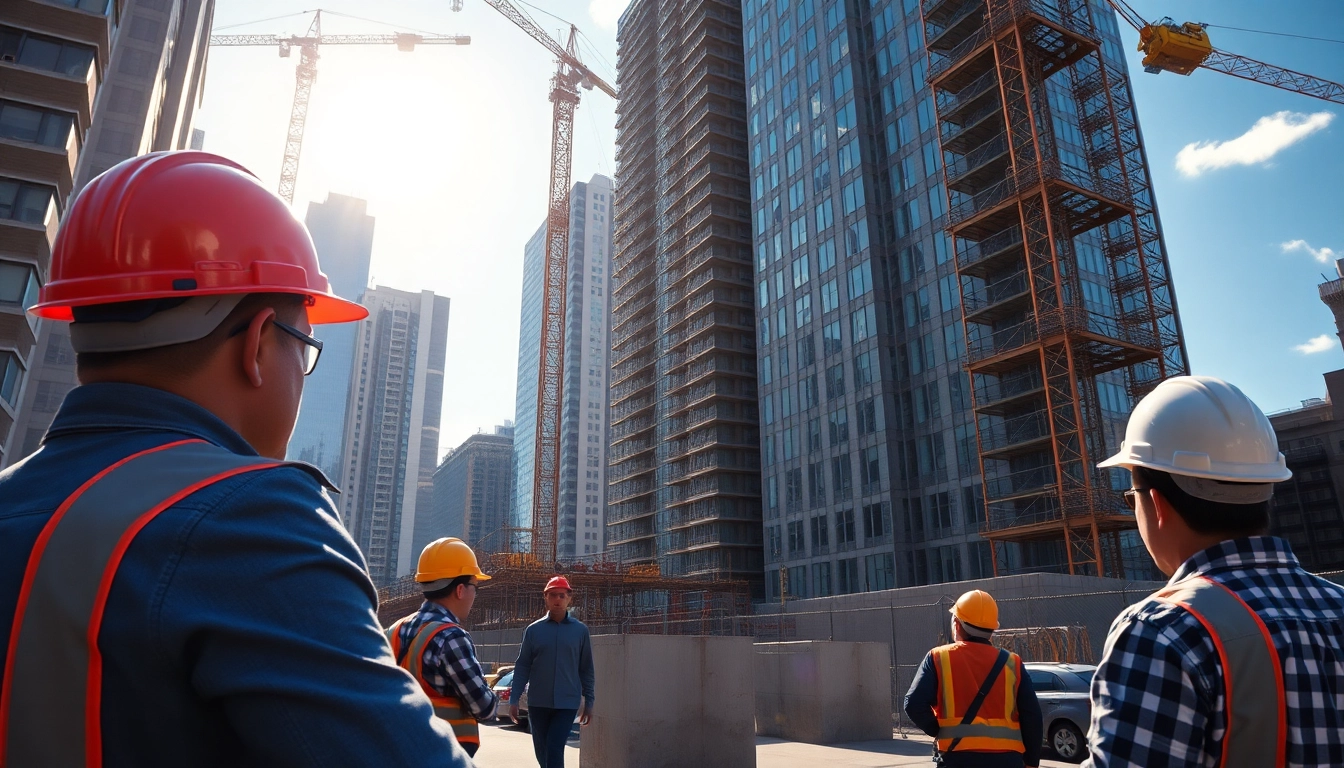
A New York City Commercial General Contractor plays a pivotal role in the construction and renovation landscape of the city. These professionals oversee various aspects of commercial building projects, ensuring that everything runs smoothly, on time, and within budget. Their significance cannot be overstated, as they serve as the central point of coordination for all trades, subcontractors, and suppliers, ensuring that the vision of architects and clients is realized in a tangible form.
Key Responsibilities
The responsibilities of a New York City Commercial General Contractor are extensive. They include:
- Project Planning: Collaborating with architects and stakeholders to develop project timelines and budgets.
- Permitting: Navigating the complex regulatory environment of NYC to obtain necessary permits and approvals.
- Supervision: Overseeing construction site operations, including the work of subcontractors and laborers.
- Quality Control: Ensuring that all work meets required specifications and standards.
- Safety Management: Implementing safety protocols to protect workers and the public.
Understanding Legal Requirements
Knowledge of local laws and codes is crucial for a New York City Commercial General Contractor. These regulations encompass a variety of areas, such as zoning laws, building codes, and environmental standards, which must be adhered to avoid penalties and ensure public safety. Staying informed about legal changes is essential for compliance and smooth operations.
Choosing the Right New York City Commercial General Contractor
Factors to Consider
Selecting the right contractor can significantly impact the success of a project. Consider these factors:
- Experience: Look for contractors with ample experience in commercial construction, particularly in NYC.
- Specialization: Ensure they have expertise in the specific type of project you are undertaking, whether it’s retail, office space, or industrial.
- Reputation: Review their standing within the industry and among former clients.
Evaluating Experience and Portfolio
Requesting a contractor’s portfolio is critical to understanding their capabilities. Look for completed projects that showcase their craftsmanship, problem-solving skills, and adherence to timelines. It is particularly beneficial to ask for references from similar projects to gauge their reliability and performance on previous jobs.
Checking References and Reviews
A thorough reference check can bring clarity to the contractor’s working style, integrity, and ability to manage projects effectively. Utilize online reviews and testimonials to gain insights into the experiences of past clients, which can inform the decision-making process.
Best Practices for Working with a New York City Commercial General Contractor
Setting Clear Expectations
Clear communication is foundational when collaborating with a contractor. Establish expectations about timelines, budgets, and quality from the outset. Developing a comprehensive contract that outlines specifics can eliminate misunderstandings later on.
Communication Strategies
Frequent, clear communication can mitigate potential issues. Schedule regular meetings to discuss project progress and address concerns proactively. Utilize project management tools to maintain transparency and share real-time updates among team members.
Project Management Techniques
Adopting effective project management techniques can lead to successful project completion. Techniques such as Gantt charts, critical path analysis, and agile management can streamline tasks and help in tracking progress against set milestones.
Common Challenges Faced by New York City Commercial General Contractors
Budgeting Issues
One of the most significant challenges faced by contractors is managing project budgets. Cost overruns can occur due to unforeseen circumstances or poor planning. It’s essential to include a contingency budget and continuously monitor expenses against the planned budget throughout the project.
Weather and Site Conditions
New York City’s diverse weather can impact construction schedules. Contractors must have contingency plans for dealing with adverse weather conditions to minimize delays. Additionally, site-specific challenges such as cramped urban environments can complicate construction logistics.
Regulatory Compliance
Navigating regulatory requirements is another hurdle that contractors face. The complexities of New York City building codes and regulations necessitate that contractors stay informed and proactive in compliance to avoid costly delays and legal ramifications.
FAQs About New York City Commercial General Contractors
What is a Commercial General Contractor?
A Commercial General Contractor is responsible for overseeing construction projects, managing budgets, timelines, and regulatory compliance, ensuring everything is executed according to plans.
How do I find a reliable Contractor?
Start by asking for recommendations, interviewing potential candidates, and checking references and reviews to ensure they have a good track record.
What services do Commercial General Contractors offer?
They provide project management, labor supervision, budgeting, permitting, and coordination with subcontractors and suppliers throughout a project.
How much does hiring a Contractor typically cost?
Costs can vary based on the project’s complexity, scale, and location, but overall, hiring a contractor typically involves a percentage of the total project costs as their fee.
What are the benefits of hiring a local Contractor?
Local contractors understand the unique challenges and regulations specific to the area, providing valuable insights and fostering stronger community relationships.